The history of Tarangire National Park shows how nature and people have shared this land over time. It also shows how wildlife has been protected to make the park what it is today.
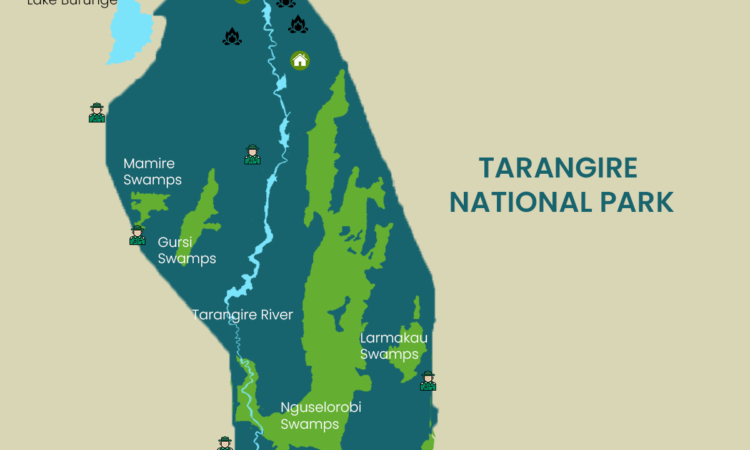
The name Tarangire comes from the Tarangire River. In the Mbugwe language, it means River of Warthogs. This river has always been important because it provides water throughout the year. For many years, animals have depended on it for survival.
Early People and Land Use
Before it became a protected area, Tarangire was home to local communities such as the Maasai and the Barabaig. These groups moved with their cattle and used the land for grazing.
They shared the land with wild animals like elephants. To them, the land had meaning and was part of their way of life.
The baobab trees found in Tarangire, some over 1,000 years old, were seen as special. Many people believed these trees had spiritual meaning and were connected to higher powers.
Colonial Period and Game Reserve Status
In the early 1900s, the British government started managing the area. At that time, Tarangire was known as a place where animals gathered during the dry season.
Hunting was allowed in the beginning, but over time, people began to see the need to protect wildlife. In 1957, Tarangire was declared a game reserve.
This decision helped reduce hunting, although there were still discussions about using the land for farming.
Formation of Tarangire National Park
After Tanzania gained independence, the government took further steps to protect wildlife. In 1970, Tarangire was officially made a national park.
This change meant that hunting and settlement were no longer allowed inside the park. It helped protect animals, especially elephants, which were threatened by ivory hunting.
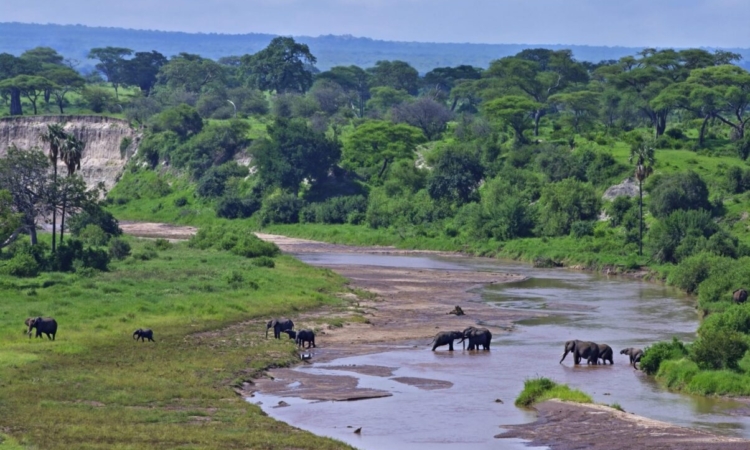
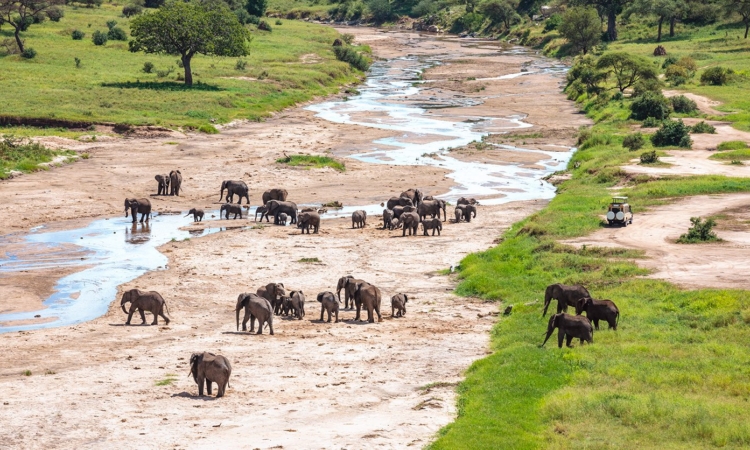
Today, Tarangire is known for having large numbers of elephants.
Research and Conservation Efforts
Tarangire National Park is also important for scientific research. One well known project is the Tarangire Elephant Project.
This project has studied elephant families for many years. It has helped people understand how elephants live, move, and interact.
These studies support conservation and help protect wildlife for the future.
Tarangire Today
Today, the history of Tarangire National Park can still be seen in the landscape. What was once land used by local communities and hunters is now a protected area for wildlife.
Visitors can explore the park and learn about its past while seeing animals in their natural environment.
The history of Tarangire National Park is a story of change and protection. From local grazing land to a national park, it has become an important place for wildlife conservation.
It remains one of the key parks in Tanzania where animals and nature are protected for future generations.
Discover Tarangire National Park in Tanzania by selecting one of our recommended Tanzania tour operators or book with us directly below.