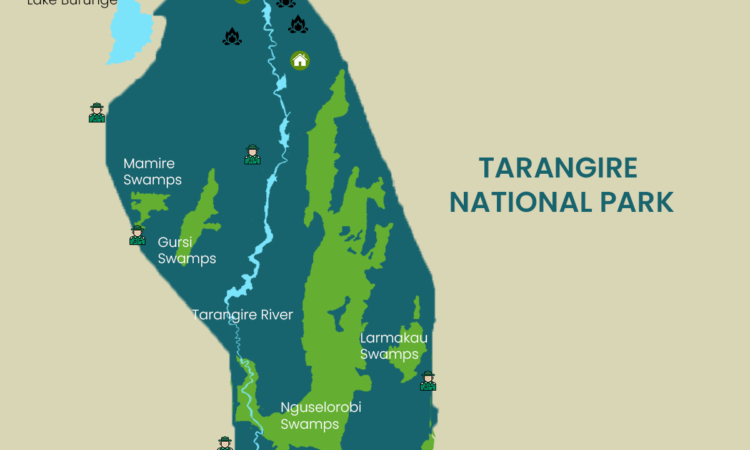
Filming in Tarangire National Park is a great choice for anyone looking to capture wildlife and natural scenes in Tanzania. The park is located in the northern circuit and covers about 2,850 square kilometers. It is one of the well-known parks in the country and offers many opportunities for filming.
Wildlife for Filming
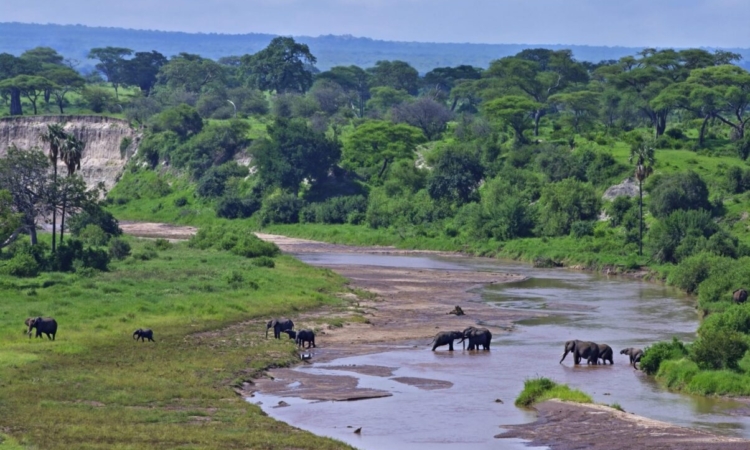
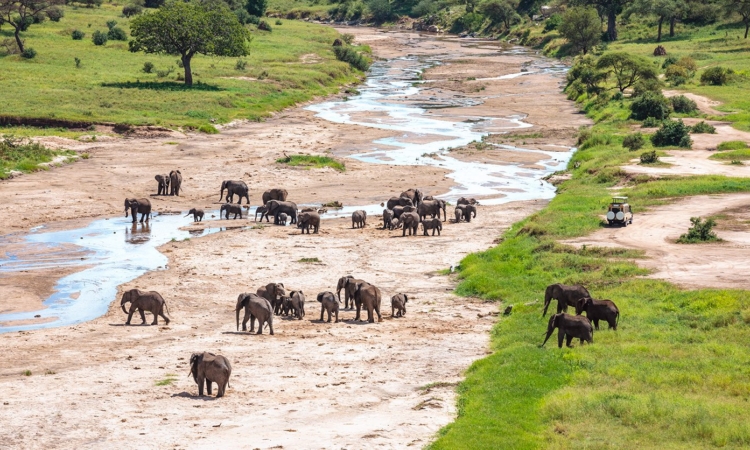
Filming in Tarangire National Park is popular because of the large number of animals found in the area. The park is known for big groups of elephants, especially during the dry season. These elephants gather around the Tarangire River, making it easy for filmers to capture clear wildlife scenes.
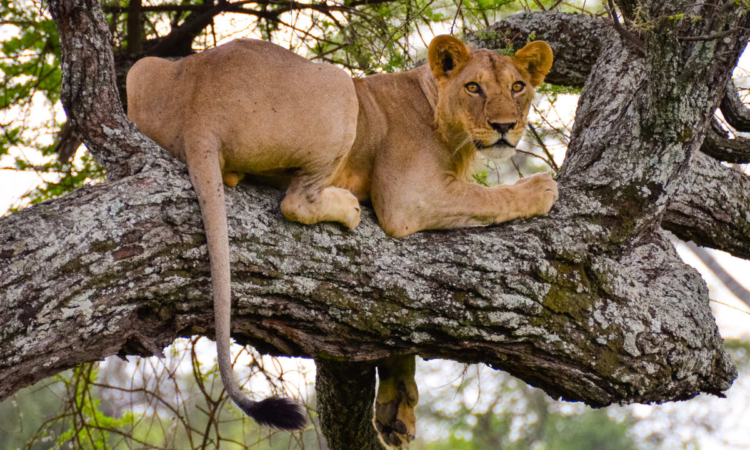
Other animals that can be filmed include lions, zebras, buffaloes, giraffes, and wildebeest. Since many animals move toward water sources, it becomes easier to film different species in one place.
Vegetation and Landscapes
The vegetation in Tarangire National Park is also important for filming. The park has acacia woodlands, savanna grasslands, and large baobab trees. These features create good backgrounds for filming wildlife and nature scenes.
The vegetation stays green for most of the year and supports many animals. Filmers can capture both close and wide views of the landscape and wildlife in the same area.
Wildebeest Movement
Filming in Tarangire National Park also includes capturing the movement of wildebeest. During the dry season, many wildebeest move toward the river to find water. While this movement is smaller compared to Serengeti, it still offers good filming moments for wildlife lovers.
Birdlife for Filming
The park has over 500 bird species, making filming in Tarangire National Park good for bird lovers. Birds such as the brown parrot, lilac breasted roller, yellow necked spurfowl, crested francolin, bee eaters, great white pelicans, and northern pied babblers can be seen.
These birds add color and movement to filming scenes and are often found near water and open areas.
Filming Permits and Requirements
Anyone planning filming in Tarangire National Park must get a permit from the Tanzania Filming Board. The permit costs about USD 1000. If drones are to be used, a separate permit must be obtained from the Tanzania Civil Aviation Authority.
Film crew members also need a business visa, which is different from a tourist visa. This visa usually requires an invitation from a local contact. All filming equipment must be declared and cleared at customs before entering the country.
Best Time for Filming
Filming in Tarangire National Park can be done throughout the year. However, the best time is during the dry season from June to October and also around December to February. During this time, animals gather near water sources, making filming easier.
Conclusion
Filming in Tarangire National Park allows filmers to capture wildlife, landscapes, and birdlife in one place. With proper planning and permits, the park offers a good location for filming natural scenes in Tanzania.
Discover Tarangire National Park in Tanzania by selecting one of our recommended Tanzania tour operators or book with us directly below.