The Baobabs in Tarangire National Park are one of the main attractions that every visitor can see. These trees grow across the savannah plains and are easy to spot during any safari activity. Many tourists visit the park mainly to see these unique trees.
Baobabs are often called the tree of life because of their ability to survive in dry areas and support both wildlife and people.
What Makes Baobabs Special
Baobabs in Tarangire are known for their large size and unusual shape. They have thick trunks that look swollen and can grow up to about 10 meters in circumference. Some of these trees are very old, with one estimated to be over 1,200 years.
These trees stand across the park and dominate the landscape. This makes it easy for tourists to see them during game drives, nature walks, or any other activity in the park.
How Baobabs Survive in Dry Conditions
Baobabs are well adapted to dry conditions. They can store about 120,000 liters of water inside their trunks. This helps them survive long periods without rain.
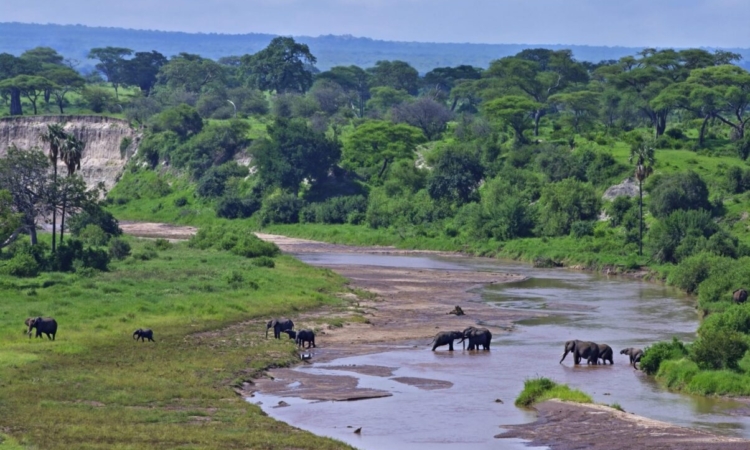
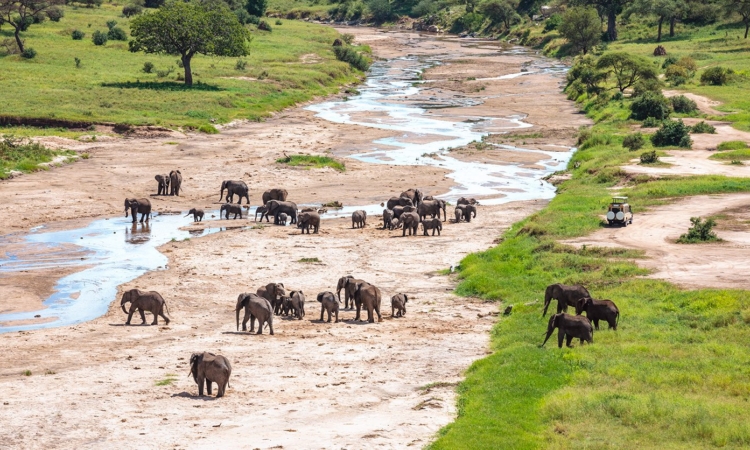
During the dry season, animals such as elephants depend on this stored water. Elephants sometimes break the bark to access moisture when water sources are limited.
Importance of Baobabs to Wildlife
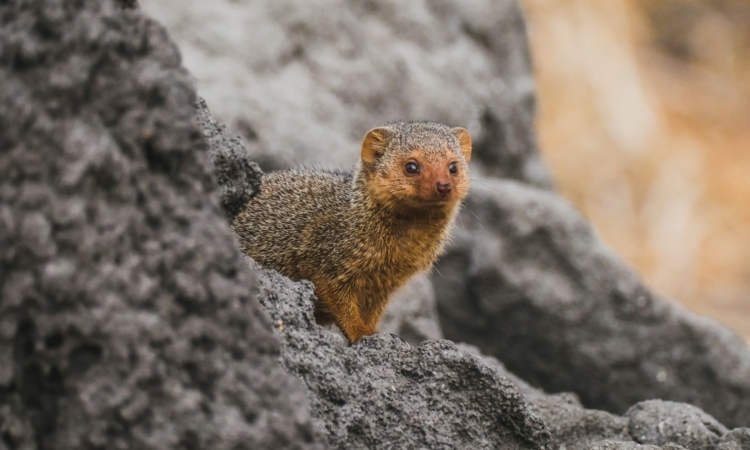
Baobabs in Tarangire National Park support many animals. The trees provide shelter for wildlife such as mongoose, buffaloes, and birds like woodpeckers and hornbills.
The seeds of the baobab tree are also used as food by some animals. This makes the tree an important part of the park ecosystem.
Benefits of Baobabs to Local Communities
Baobabs are also useful to people living near the park. The leaves and bark are used for herbal medicine. They contain vitamin C, calcium, and antioxidants.
Local communities have used baobabs for many years for both food and health purposes.
Cultural Value of Baobabs
Baobabs are respected in many African cultures. Some communities believe these trees have spiritual meaning. They are seen as a link between the physical world and the spiritual world.
Because of this belief, baobabs are often treated as sacred trees.
Challenges Facing Baobabs
Baobabs in Tarangire face challenges that affect their survival. Climate change is one of the main problems. Reduced rainfall makes it harder for the trees to grow and survive.
When baobabs are lost, animals also suffer because they lose a source of food and shelter.
Conservation Efforts
Park authorities and conservation groups are working to protect baobabs in Tarangire National Park. They monitor the health of these trees and take steps to support their growth.
These efforts help ensure that baobabs remain part of the park for future visitors.
Best Time to See Baobabs in Tarangire
The best time to see baobabs in Tarangire National Park is during the dry season. This is usually from June to August and December to February.
During this time, the grass is shorter and visibility is clear, making it easier to see both the trees and wildlife.
Baobabs in Tarangire National Park are an important part of the park. They support wildlife, help local communities, and hold cultural value.
Every visitor to Tarangire should take time to see these trees and learn about their importance.
Discover Tarangire National Park in Tanzania by selecting one of our recommended Tanzania tour operators or book with us directly below.